SEARCH RESULTS
100 results found with an empty search
Blog Posts (11)
- 2026 Pearl Jewellery Forecast: 6 Trends Shaping Modern Style
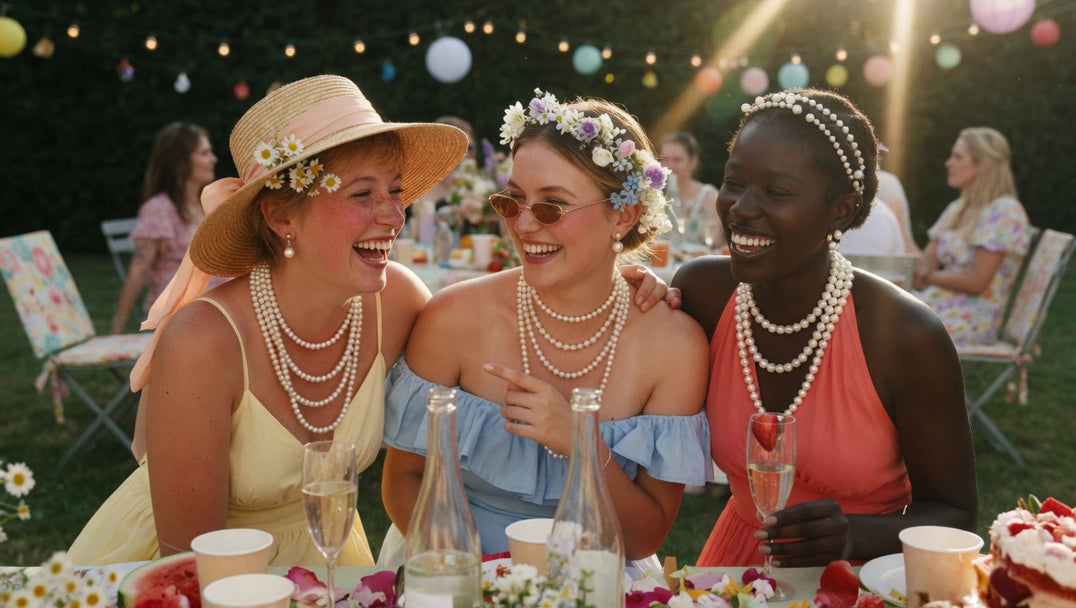
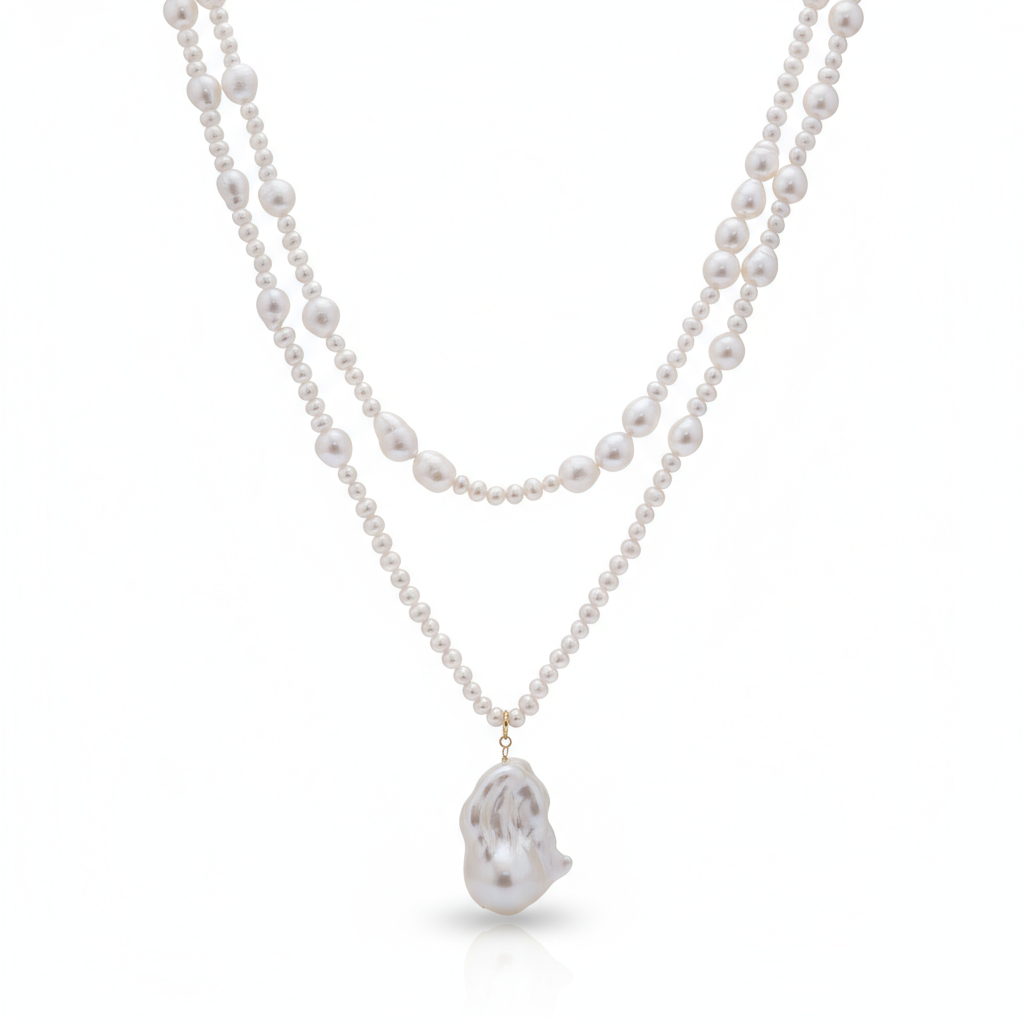
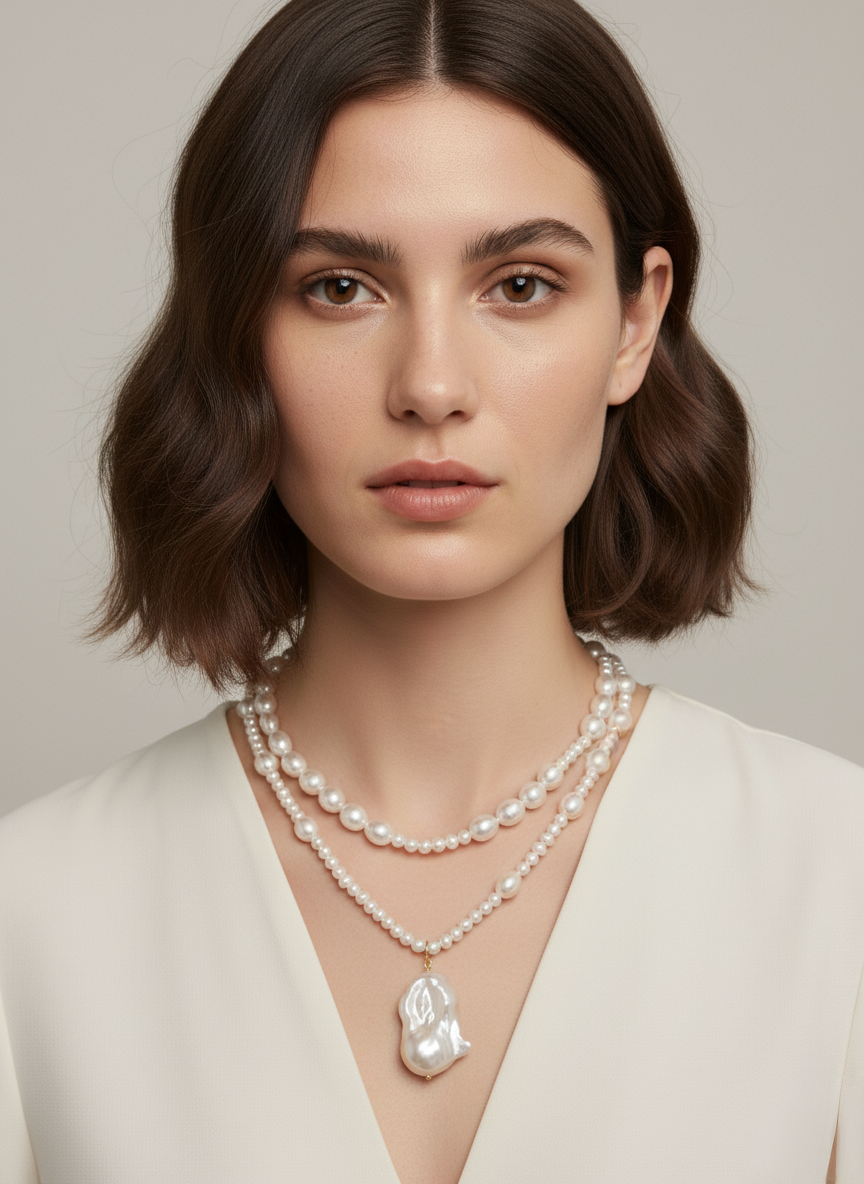
Pearls are not fading away. In 2026 they continue their shift from “special occasion” pieces to quiet, everyday essentials across the world. This forecast highlights the key pearl jewellery trends we expect to see in 2026 and how they can help you choose pieces you will genuinely wear and enjoy. 1. Sculptural and baroque shapes stay centre stage Perfectly round pearls will always exist, but the modern mood continues to favour softer, organic forms. In 2026 you can expect: Baroque pearls with gentle curves and unique outlines Pearls treated like small sculptures, not identical beads Asymmetric details that feel intentional rather than messy What this means when you buy : If you like personality and character, look for baroque or slightly irregular pearls in simple settings. They feel current now and still refined in the long term. 2. Everyday pearls become the default, not the exception The old rule “save pearls for best” keeps losing power. You are likely to see more: Small studs worn with denim, knits and simple shirts Short pearl pendants layered with chains Slim bracelets paired with watches and bangles What this means when you buy : Ask yourself if you can wear a piece to work, at the weekend and for dinner. If the answer is yes in all three cases, it fits the 2026 direction. 3. Gender neutral styling grows quietly Pearls are becoming less tied to one gender and more to a certain mood: calm, polished and understated. In 2026, expect: Simple strands worn with shirts, fine jumpers and tailoring Single pearl earrings or neat huggies Clean bracelets that mix pearls with metal links What this means when you buy : If you prefer a minimal, unshowy style, choose designs with clean lines and less ornament. The same piece can often work across different wardrobes in the same household. 4. Colour and metal mixing gets bolder Customers are becoming more confident with colour and mixed metals, and that continues into 2026. You will see: White pearls alongside warm gold, grey and black tones Silver and yellow gold worn together in the same stack Occasional soft pastels for a lighter, playful note What this means when you buy : Do not panic if your watch, rings and necklaces are not all the same metal. Focus on a consistent mood rather than strict matching. One coloured pearl detail can tie everything together. 5. Fewer pieces, better quality Across jewellery in general, there is a steady move away from fast fashion and towards better made pieces you keep. For pearls in 2026, that means: Smaller capsule collections of two to five reliable pieces More attention to materials, finish and comfort on the skin Timeless shapes with one or two modern touches What this means when you buy : Choose pieces you can imagine wearing in five years, not just in one photo. A single well chosen necklace and pair of earrings can do far more for your wardrobe than a box of impulse buys. 6. Personal storytelling, not loud branding In 2026, jewellery is less about logos and more about quiet personal meaning. With pearls, you may see: Pieces chosen to mark a moment or relationship Designs that feel like future heirlooms rather than seasonal trends Custom touches: lengths, combinations of metals, or subtle engraving on clasps What this means when you buy : Think about the story you want this piece to hold. An anniversary, a new job, a move to a new city. When you choose with intention, you are more likely to keep and wear it. How to use this forecast when you shop for pearls in 2026 Before you commit to a new pearl piece, run through this quick checklist: Can I name three outfits I will wear it with? If not, the piece might be beautiful but not practical for you. Do I prefer classic or organic shapes? Classic round pearls suit structured, polished wardrobes Baroque and sculptural pearls suit softer, more artistic styles Does it work with what I already own? In 2026, mixed metals are fine, as long as the overall look feels balanced and calm. If a piece passes all three questions, it is very likely to earn its place in your 2026 jewellery capsule.
- Pearls and Power: Sanae Takaichi , Japan’s First Female Prime Minister , and Her Pearl Jewellery
When Sanae Takaichi stepped into history as Japan’s first female prime minister, she made a statement that went beyond politics. During her high-profile meeting with U.S. President Donald Trump in Tokyo, Takaichi’s choice of accessories – a pearl necklace and matching pearl earrings – spoke volumes. These pearls were not just fashion items; they were a cultural and personal emblem, reflecting both Japanese tradition and a nod to iconic female leadership style. In a world where every gesture of a leader is scrutinized, Takaichi’s elegant pearl jewellery conveyed power, poise, and respect for heritage in a single glance. Japan’s newly appointed Prime Minister stands behind the podium on her first day in office (October 2025), wearing her signature single-strand pearl necklace and delicate pearl earrings as part of her official attire. The subtle glow of her pearls – clearly visible in this moment – encapsulates both a sense of tradition and a commanding elegance . For a country witnessing its first woman in the top job, this timeless jewellery choice became a symbol of feminine authority seamlessly blended with cultural grace. A Historic Meeting Marked by Elegance and Symbolism Takaichi’s meeting with President Trump was historic, meeting with Japan’s first-ever woman leader. It was also a study in how attire can underscore diplomacy. Amidst the cameras and the global attention, Takaichi’s refined pearl jewellery subtly reinforced her image: professional, culturally rooted, and confidently feminine . The pearls at her neckline and ears glistened just enough to be dignified, conveying that she belongs at the table with global power players without shouting for attention. Pearls in Japanese Culture: Symbolism and Tradition Pearls have long been cherished in Japanese culture as symbols of purity, elegance, and sophistication. Traditionally, Japanese women wear pearls on special occasions – weddings, graduations, and formal ceremonies – since the soft luster of white pearls signifies refinement and grace . Even in mourning rituals, a simple strand of pearls or pearl earrings is customary, their subdued glow representing respect and solemnity. This deep cultural reverence for pearls helps explain why a leader like Takaichi would favor pearl jewellery at pivotal moments. By wearing pearls, she honors a Japanese aesthetic that values subtlety and tradition , sending a message of continuity and respect for cultural norms. The organic beauty of pearls aligns with the Japanese aesthetic principle of wabi-sabi – finding beauty in simplicity and natural imperfection. Each pearl is unique, and their natural elegance resonates with the appreciation of understated beauty in Japanese culture. In choosing pearls over flashier gems, Takaichi not only follows protocol for formal attire but also echoes a sense of humility and harmony with Japan’s traditional values. The pearls are a quiet nod to the idea that strength can be expressed with serenity and wisdom , not just boldness. Pearl jewellery, in this context, becomes more than personal adornment; it’s a strategic part of Takaichi’s brand as a leader. Thatcher’s pearls were a subtle reinforcement of her authority blended with femininity, and Takaichi mirrors that effect. Her string of pearls and coordinated pearl earrings send a visual message that she means business, but on her own terms . It’s a balance of power and grace – projecting confidence without sacrificing the traditional feminine touch. In a political arena still largely dominated by men in dark suits, Takaichi’s pearls set her apart, signaling that she can honor tradition, exude femininity, and command respect all at once. Why Pearl Jewellery Instead of Other Options? What makes pearls the jewellery of choice for Sanae Takaichi, as opposed to, say, diamonds or vibrant gemstones? Below are a few key reasons pearls shine in this role: Cultural Appropriateness: In Japan, pearls carry deep cultural significance. Wearing pearls invokes a sense of tradition and formality that resonates with Japanese audiences. They align with the expectation that a prime minister presents herself with dignity and respect for cultural norms. By choosing pearls, Takaichi pays homage to Japanese heritage in a way that flashy jewels might not. Elegant, Not Flashy: Pearls exude a soft, understated elegance . Unlike diamonds or colored stones that sparkle conspicuously, pearls have a gentle luster. This makes them ideal for a political leader – they add a touch of luxury without being ostentatious. Takaichi’s pearl necklace complemented her suit rather than distracting from it, striking the perfect balance between adornment and professionalism. Symbol of Wisdom and Stability: Across cultures, pearls have long been associated with wisdom, maturity, and stability (hence the phrase “pearls of wisdom”). In Japan, pearls are even seen as symbols of longevity and good fortune. By wearing pearls, Takaichi subtly aligns herself with these qualities, projecting an image of a wise, steady hand at the helm. The timelessness of pearl jewellery — unchanged by fleeting fashion trends — mirrors the steady, reliable leadership style she aims to convey. Versatility and Timelessness: Pearl jewellery is remarkably versatile. A simple pearl strand and earrings are as appropriate at a state dinner as they are at a somber memorial service. This versatility is rooted in the pearl’s timeless appeal; they have been beloved for centuries and never go out of style. For a modern leader with a busy agenda, pearls seamlessly transition across different events, always conveying the right tone. Takaichi can meet international dignitaries, visit a shrine, or attend a parliamentary session all in the same pearls, and they never feel out of place. Empowering Femininity: Choosing pearls allows Takaichi to embrace femininity while commanding respect . There is a subtle power in a woman leader confidently wearing jewellery that highlights her womanhood in a male-dominated field. Pearls have a classic feminine association – they’re delicate yet strong, formed over time in protective shells. By sporting pearls instead of eschewing jewellery altogether, Takaichi asserts that embracing her feminine side is part of her strength, not a weakness. It’s a strategy many female leaders have used, from Thatcher’s necklaces to the pearl earrings often worn by diplomats and executives, to telegraph that grace and power are not mutually exclusive . The Timeless Allure of Pearl Jewellery Sanae Takaichi’s affinity for pearls highlights how this gem transcends mere decoration – it’s a blend of culture, personal expression, and strategic image-crafting . In her role as the first female prime minister of Japan, every choice carries meaning. Her pearl jewellery communicates continuity with Japan’s cultural past and alignment with revered icons of female leadership, all while enhancing her own aura of confidence. It shows that sometimes, soft power comes in the form of a gentle shine , not a loud statement. From the halls of government to personal wardrobes, pearls have an enduring allure. They carry stories and symbolism that few other gems can match – representing purity, wisdom, and elegance across cultures and generations. For those inspired by Takaichi’s example, incorporating pearls into one’s style is a way to tap into a timeless source of sophistication. At Rabbit Forest Jewellery, we celebrate this timeless elegance by offering carefully crafted pearl necklaces, earrings, and accessories that reflect the same blend of tradition and modern grace. Just as Sanae Takaichi’s pearls compliment her historic journey, the right pearl piece can become a beloved emblem of one’s own story – a treasure from the past that shines brilliantly in the present .
- How to Choose Jewellery for Sensitive Skin
Sensitive skin shouldn’t stop you from wearing beautiful accessories. Many people experience irritation – like red, itchy skin or swollen earlobes – from certain jewellery. The good news is that jewellery for sensitive skin does exist, and it’s all about choosing the right materials. In this guide, we answer common questions (e.g. “What metals should I avoid?” or “Why do my ears react to earrings?” ) and offer practical tips on finding comfortable, hypoallergenic jewellery . You’ll learn which metals are safest, how to identify irritants like nickel, and even how to test if your jewellery is truly allergy-friendly. (In fact, some jewellers like Rabbit Forest Jewellery focus on using nickel-free metals and high-purity coatings so their pieces are gentle on sensitive skin .) Why Do My Ears React to Earrings? If you’ve ever had your ears become itchy, red, sore or swollen after wearing earrings , you’re likely experiencing an allergic reaction to the metal in the jewellery. The most common culprit is nickel , a metal frequently used in alloys and inexpensive jewellery. When nickel (or another allergenic metal) touches your skin, it can trigger contact dermatitis – an immune response causing rash, irritation, or even blisters . The thin skin of pierced earlobes is especially vulnerable, which is why many people’s ears react to nickel-containing earrings . Over time, repeated exposure to allergenic metals can sensitize your immune system. You might wear certain earrings for years with no issue, then suddenly start reacting – that’s because allergies can develop later in life after enough exposure. In short, your ears likely react to earrings because the metal (often nickel or a cheap alloy) is irritating your immune system. The solution is to avoid those trigger metals and opt for known nickel-free earrings or other safe materials whenever possible. Other factors: In some cases, irritation from jewellery isn’t due to allergy at all. Rough edges, dirt or coatings on the earring, or even an infection in the piercing can cause redness and pain. However, if you consistently notice rash-like symptoms (itching, dryness, bumps) right where metal touches your skin, a metal allergy is the most likely cause. Next, we’ll look at which jewellery materials are safest for sensitive skin. What Jewellery Is Best for Sensitive Skin? The best jewellery for sensitive skin is made from metals that do not trigger allergies – in practice, this usually means jewellery that is nickel-free or hypoallergenic . “Hypoallergenic” is a term for materials unlikely to cause a reaction (though it’s not a strictly regulated label). In general, you should look for high-quality metals that are pure or alloyed with only non-irritating elements. Below are some safe metals for allergies and sensitive skin, widely considered top choices by dermatologists and jewellers: Titanium (Implant-Grade): Titanium is a biocompatible metal that contains no nickel. It’s often used for medical implants and is extremely unlikely to irritate skin. Titanium earrings and body jewellery are ideal for newly pierced ears or anyone with severe metal allergies. This metal is lightweight, corrosion-resistant, and very durable (though difficult to resize). Surgical Stainless Steel: Not all stainless steel is equal for sensitive skin. Look for 316L surgical-grade stainless steel , which has a low nickel content and resists corrosion. Surgical steel (often lablelled ASTM F138 compliant) is used for piercings because of its durability and minimal nickel leaching. Note: Even the best stainless steel does contain a small amount of nickel, so ultra-sensitive individuals may still react. But many people with mild sensitivities can wear high-quality surgical steel without problems. High-Purity Gold: Pure 24k gold is hypoallergenic, but it’s very soft and impractical for jewellery. Instead, choose high-karat gold like 18k or 22k, which contain more real gold and less alloy metals. For example, 18k gold is 75% gold; it typically has only a small percentage of nickel (if any) and often causes no reaction. Yellow or rose gold alloys are safest – yellow gold is usually mixed with silver and copper, and rose gold is gold alloyed with copper (and sometimes silver), both of which are unlikely to cause allergy. Rose gold contains no nickel in most cases, making it a great hypoallergenic option. White gold , on the other hand, often does contain nickel (see note in the next section on avoiding certain metals). If you need white-coloured precious metal without nickel, consider platinum or palladium instead. Platinum or Palladium: Platinum is a premium metal that is naturally hypoallergenic – it’s 90–95% pure in jewellery form and typically alloyed with metals like iridium, ruthenium, or cobalt (none of which involve nickel). It’s one of the safest metals for sensitive skin, with the added benefit of being very durable and tarnish-resistant. Palladium, a close relative of platinum, is also a hypoallergenic precious metal with a similar silver-white appearance. The downside of platinum and palladium is cost – they are rarer and more expensive than gold – but they are excellent choices for those who can afford them and want truly allergy-safe jewellery . Sterling Silver: Quality sterling silver (92.5% silver, 7.5% copper) is generally safe for sensitive skin. Neither silver nor copper commonly cause allergies; however, make sure the sterling silver is nickel-free (reputable sterling silver should not contain nickel, though trace impurities could be present). Pure silver is too soft, so sterling silver is the standard for strength – and it’s considered hypoallergenic jewellery for most people. Do be aware that sterling silver can tarnish (due to copper content), but tarnish (the skin turning green or jewellery darkening) is a chemical reaction not an allergy. Tarnish can be cleaned off and doesn’t mean the metal is harming your skin. To be safe, avoid silver-plated jewellery unless you trust that the base metal is nickel-free, because silver plating over a nickel-containing base could still cause a reaction when the plating wears down. Vermeil (Gold Over Silver): Gold vermeil jewellery features a thick layer of gold (at least 2.5 microns of 10k+ gold by definition) bonded over sterling silver. This gives you the look of gold with a sterling silver core. High-quality vermeil uses 18k or higher gold and a substantial coating, making it durable and unlikely to irritate skin. For example, Rabbit Forest Jewellery uses 18k gold vermeil over a 925 sterling silver base – this provides the classic golden shine and a hypoallergenic, nickel-free foundation in one combination. Vermeil pieces are an affordable alternative to solid gold and, because of the thick gold layer, they resist wear better than standard gold-plated items. (Be sure the base is genuine sterling silver and not a cheap alloy; also note that vermeil is not advised for those with gold sensitivity, but gold allergies are quite rare.) Niobium and Medical-Grade Plastics: Niobium is a metal often used in professional body jewellery; like titanium, it’s inherently nickel-free and very biocompatible (though less common in mainstream jewellery). Similarly, if metal jewellery just doesn’t work for you, medical-grade plastic or resin (such as Bioplast) can be an option for things like earring studs or spacers. These materials are inert and safe, though they might not have the same aesthetic as metal jewellery. They can be useful for keeping piercings open or during healing, for example. These metals and materials are widely regarded as the best jewellery for allergies and sensitive skin. In fact, medical experts recommend sticking to precisely these kinds of materials – for instance, Mayo Clinic suggests wearing “nickel-free stainless steel, surgical-grade steel, titanium, 18K+ yellow gold, nickel-free white gold, or sterling silver” if you have a nickel allergy. By choosing jewellery made of the above metals, you greatly reduce the chance of irritation. Always check product details for terms like “nickel-free,” “hypoallergenic,” or specific metal grades. Reputable brands will often disclose their metal content. When in doubt, remember that quality matters : high-purity precious metals or implant-grade alloys are far kinder to sensitive skin than mystery metals in cheap costume jewellery. What Metals Should I Avoid If I Have Sensitive Skin? The number one metal to avoid is nickel . Nickel is the most frequent trigger of jewellery allergies, responsible for most cases of itchy, inflamed skin from earrings or necklaces. If you have sensitive skin or a known nickel allergy, you should steer clear of any jewellery that contains nickel . Unfortunately, nickel is commonly found in lower-quality jewellery and even in some metal alloys used for “strengthening” gold or silver. For example, traditional white gold often contains nickel as a whitening agent – this means a 14k or 18k white gold ring could cause a reaction if nickel was used in the alloy. (White gold pieces are usually rhodium-plated to look shiny and to cover the nickel alloy; but rhodium plating can wear off over time, eventually exposing your skin to nickel underneath.) If you love white gold, look for nickel-free white gold (white gold made with palladium or silver instead of nickel) or opt for platinum which has a similar look without the allergy risk. Aside from nickel, you may want to avoid or be cautious with the following if you have sensitive skin: Cheap “mystery metal” jewellery: Inexpensive costume jewellery often contains high levels of nickel or other irritants. These pieces might be made of nickel alloy or base metals with only a thin plating of gold or silver. As soon as that microscopically thin plating wears or scratches, your skin touches the allergenic metal. If your skin is sensitive, it’s worthwhile to avoid cheap costume jewellery altogether. Investing in a few quality pieces made from safe metals will serve you better than a drawer full of random fashion earrings that cause rashes. Low-Karat or Unspecified Alloys: Be wary of very low-karat gold (like 9k or 10k), brass, or bronze if you don’t know their composition. Lower karat gold has a higher percentage of other metals – sometimes including nickel – which could trigger a reaction. Brass and bronze (copper-zinc alloys) are not common allergens, but they can leave green stains on skin (harmless but annoying), and some brass may contain traces of nickel or lead. Unless a piece is explicitly labelled nickel-free , assume it might contain some. Metal mixtures with cobalt or chromium: Nickel is by far the most common metal allergy, but a minority of people can react to metals like cobalt or chromium. These are less prevalent in jewellery, though cobalt can be present in some metal blends (and is even used in some platinum alloys). If you know you have a cobalt allergy or chromium allergy, you’ll need to avoid those as well – which might mean avoiding certain costume jewellery or specific metal backings. Most often, “hypoallergenic” earrings try to eliminate nickel, cobalt, and chromium to cover all bases. If you’re extremely sensitive, stick to the truly inert metals we listed in the previous section. Plated Jewellery with Unknown Base: A gold-plated earring might look safe, but if the base metal under the plating is nickel or brass, your skin could suffer once the plating wears off. Thin plating can rub off quickly on surfaces that get a lot of wear (like ring bands or earring posts). If you do buy plated jewellery, ensure it has a thick plating (vermeil standard) and a safe core metal (e.g. gold-plated sterling silver or gold-plated surgical steel are better than gold-plated mystery metal). As a rule of thumb, avoid plated items for everyday wear unless the vendor clearly states that both the plating and the base are nickel-free . In summary, avoid metals that are likely to contain nickel or unknown alloys altogether . Read labels and descriptions: if something just says “metal alloy” with no further detail, that’s a red flag for sensitive skin. Stick to named materials (like “stainless steel,” “925 silver,” “14k gold”) and look for “nickel-free” tags. Remember that “hypoallergenic” is not a regulated term – a study even found nearly 30% of products lablelled hypoallergenic still had trace nickel. So, when avoiding allergens, concrete terms like “nickel-free” (ideally with some certification or standard, such as compliance with EU Nickel Directive limits) are more trustworthy. If a piece is important to you but causes minor irritation, you could consider having it rhodium-plated or using transparent protective coatings, but those are temporary fixes. It’s best to invest in truly safe metal jewellery from the start. How Do I Test if Jewellery Is Hypoallergenic? Because “hypoallergenic” labelling can be inconsistent, it’s smart to verify whether a piece of jewellery is safe for you. Here are some steps and tips to test if jewellery is hypoallergenic (or more accurately, to test if it contains problematic metals like nickel): Check for Nickel with a Test Kit: You can purchase an inexpensive nickel spot test kit (often containing dimethylglyoxime solution). By applying a swab of the test solution to your jewellery, you can detect nickel release – if the swab turns pink, nickel is present above a certain threshold. Health authorities note that home test kits are available to check for nickel in metal items. This is a quick way to screen your existing jewellery. (Ensure you follow the instructions; these kits won’t damage the piece and can be very revealing. They can sometimes also detect cobalt if designed for that.) Consult a Dermatologist for Patch Testing: If you’re not sure which metals you’re allergic to, visit a dermatologist for a patch test. In a patch test, small amounts of common allergens (nickel, cobalt, etc.) are placed on patches on your skin for 48 hours to see if a reaction occurs. This can confirm exactly what you need to avoid. If you already know, for example, that nickel causes you dermatitis, then you know to test jewellery for nickel content. A dermatologist can also supply professional nickel test kits or advice. Wear New Jewellery in Short Intervals First: When you get a new piece that is supposed to be hypoallergenic, do a trial run. Wear it for a few hours and then remove it and check your skin. Gradually increase the wear time. If you notice any itching or redness developing, even mild, it might not be as safe as advertised. (For earrings, you could also try wearing them with plastic covers on the posts initially, and see if any part of your ear still reacts.) This gradual approach can prevent severe reactions by catching sensitivity early. Look for Certification or Material Specs: True hypoallergenic or nickel-free jewellery often comes with some certification or specific material listing. For example, in the EU, jewellery lablelled “nickel-free” should comply with the Nickel Directive limits (very low nickel release). Some brands provide assurances like ASTM or ISO standards for biocompatibility (for surgical steel or titanium). If you’re testing a claim, research the brand’s info – do they mention compliance or testing? If a seller simply says “hypoallergenic” but gives no metal details, be cautious. Trusted materials (like those we listed earlier) are your best indicator of a hypoallergenic piece. Pro tip: It’s hard to tell by just looking at jewellery what metals are in it. When in doubt, assume that an unmarked metal contains nickel until proven otherwise. Always test suspicious pieces before wearing them for a full day – your skin will thank you. Remember that “hypoallergenic” should mean it won’t cause a reaction, so a truly hypoallergenic piece will pass a nickel test and keep your skin comfortable. If it doesn’t, it’s not the right jewellery for you. Tips for Buying and Wearing Jewellery with Sensitive Skin Beyond choosing the right metal, a few extra steps can ensure you have a rash-free, comfortable experience with your jewellery: Prioritize Quality Over Quantity: It’s better to own a small collection of high-quality, skin-friendly pieces than lots of cheap jewellery that irritates you. Look for reputable brands or retailers known for nickel-free earrings and allergy-safe items. (For example, Rabbit Forest Jewellery naturally uses nickel-free sterling silver bases and thick gold coatings, so their designs minimize any risk of irritation.) High quality doesn’t always mean very expensive – stainless steel and titanium options are often affordable – but it does mean the metal composition is reliable. Read Labels and Descriptions: Always read the product details for terms like nickel-free, hypoallergenic, surgical steel, 14k gold, etc. If the information isn’t listed, don’t hesitate to ask the seller. You want to see specific metal names and purity levels. Be extra careful when buying from marketplaces or shops that use vague terms. A bit of research now can save you itchy skin later. Care for Your Jewellery and Skin: Keep your jewellery clean – wipe down earrings and posts with a gentle cloth or alcohol pad occasionally to remove any dirt or irritants. Dirty or corroded metal can cause irritant dermatitis even if you’re not allergic, simply because of the grime or oxidation on the surface. Also, give your skin breaks. If you’ve had earrings in for days, let your ears rest overnight. Make sure piercings are fully healed with appropriate starter jewellery (usually surgical steel or titanium) before switching to other earrings. Use Protective Barriers if Needed: If you absolutely must wear a piece that bothers you (say, sentimental jewellery that you react to), consider adding a barrier. You can find plastic covers for earring studs and hooks, or apply a clear polymer coating (there are products marketed as nickel-barrier coatings) on the parts that touch your skin. Even clear nail polish painted on the interior of a ring or the post of an earring can create a temporary shield. These solutions are not permanent – coatings wear off and need reapplication – but they can help in a pinch. Listen to Your Skin: If you notice irritation, address it promptly. Remove the offending jewellery right away. Wash the area and apply a soothing lotion or hydrocortisone cream if needed for allergic reaction. Once your skin calms down, stick to metals you know are safe. It’s not worth pushing through pain just to wear a certain piece. Over time, you’ll learn exactly what works for you. Some people with very sensitive skin find that the best jewellery for allergies is simply anything that doesn’t provoke their symptoms – and that usually aligns with the guidance above on metal choice. Final Thoughts Choosing jewellery for sensitive skin comes down to knowing your materials and being mindful of metal allergies. By opting for proven hypoallergenic metals like titanium, platinum, high-karat gold, or sterling silver, you can enjoy accessories without the itch or rash. Always avoid nickel and questionable alloys – your skin’s comfort is the priority. Remember, terms like “nickel-free” and specific metal grades are your friends, whereas “hypoallergenic” on its own might be just a marketing promise. When in doubt, test it out or consult experts. With these tips, you can build a jewellery collection that is both stylish and skin-friendly. Whether it’s a pair of nickel-free earrings from a brand you trust or a platinum wedding band, there are beautiful options out there for sensitive skin. Educating yourself (as you’ve just done) is key – now you know what to look for. Here’s to enjoying your rings, necklaces, and earrings without worry, and letting your personal style shine, allergy-free!